Cover Letter Writing Tips That Get Interviews
By Jyoti Sinha, Talent Acquisition Specialist at Leinex Consulting · February 8, 2026 · 2 min read

Most job seekers treat cover letters as an afterthought. They copy-paste a generic template, change the company name, and hit send.
This is a huge mistake. A well-written cover letter is your secret weapon. It's the only place in your application where you can show personality, explain career gaps, and tell a story that connects the dots of your resume.
The Golden Rule: Don't Repeat Your Resume
Your resume lists what you did. Your cover letter should explain why it matters. Don't just list your skills again. Instead, tell a short story about a time you used those skills to solve a specific problem.
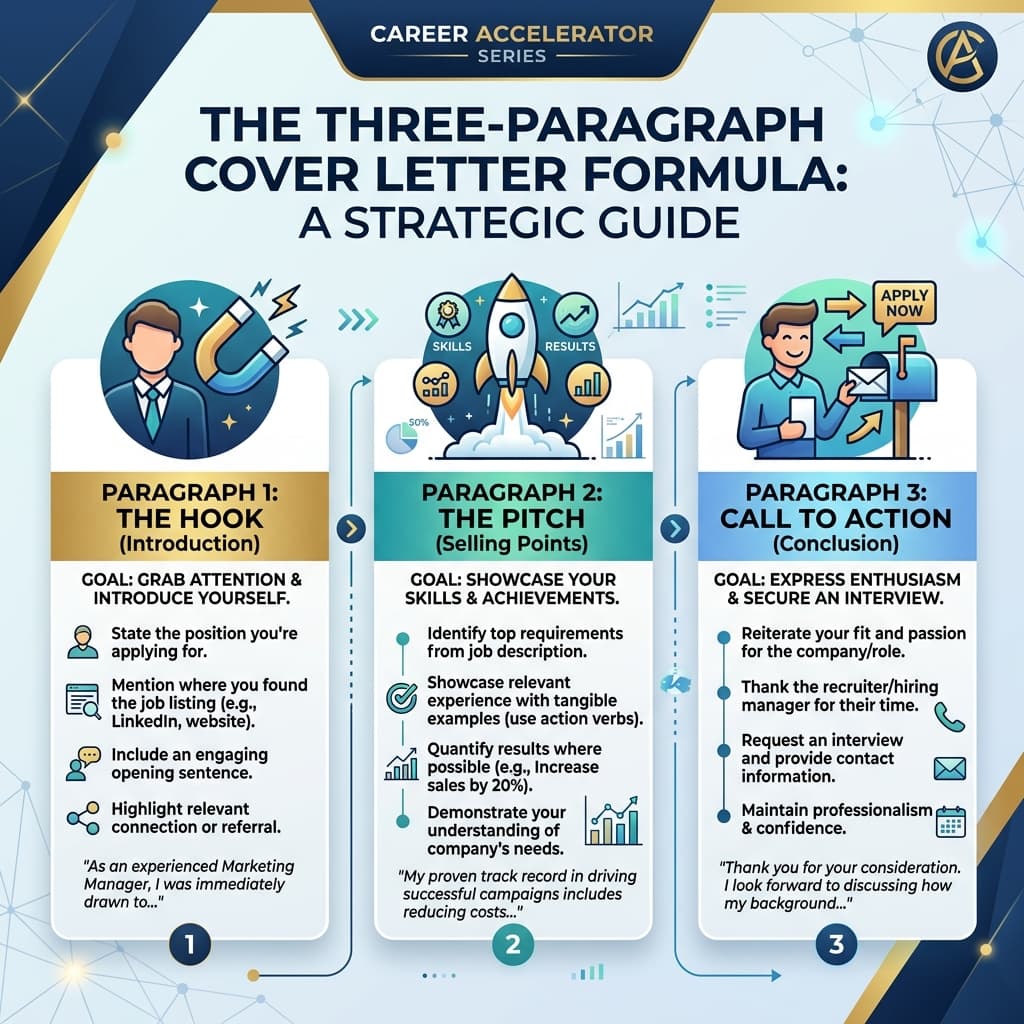
The 3-Paragraph Formula
1. The Hook (Who You Are + Why Them)
Start with energy. Mention the specific role and why you're excited about this specific company. Show you've done your research.
2. The Pitch (Your Value Proposition)
This is the meat of the letter. choose 1-2 major achievements from your resume and expand on them. Connect them directly to the challenges the company is facing.
3. The Call to Action
End confidently. Reiterate your enthusiasm and suggest a meeting.
Hate writing cover letters?
Use our free Cover Letter Builder to write yours on a matching template, with a live preview and free PDF export.
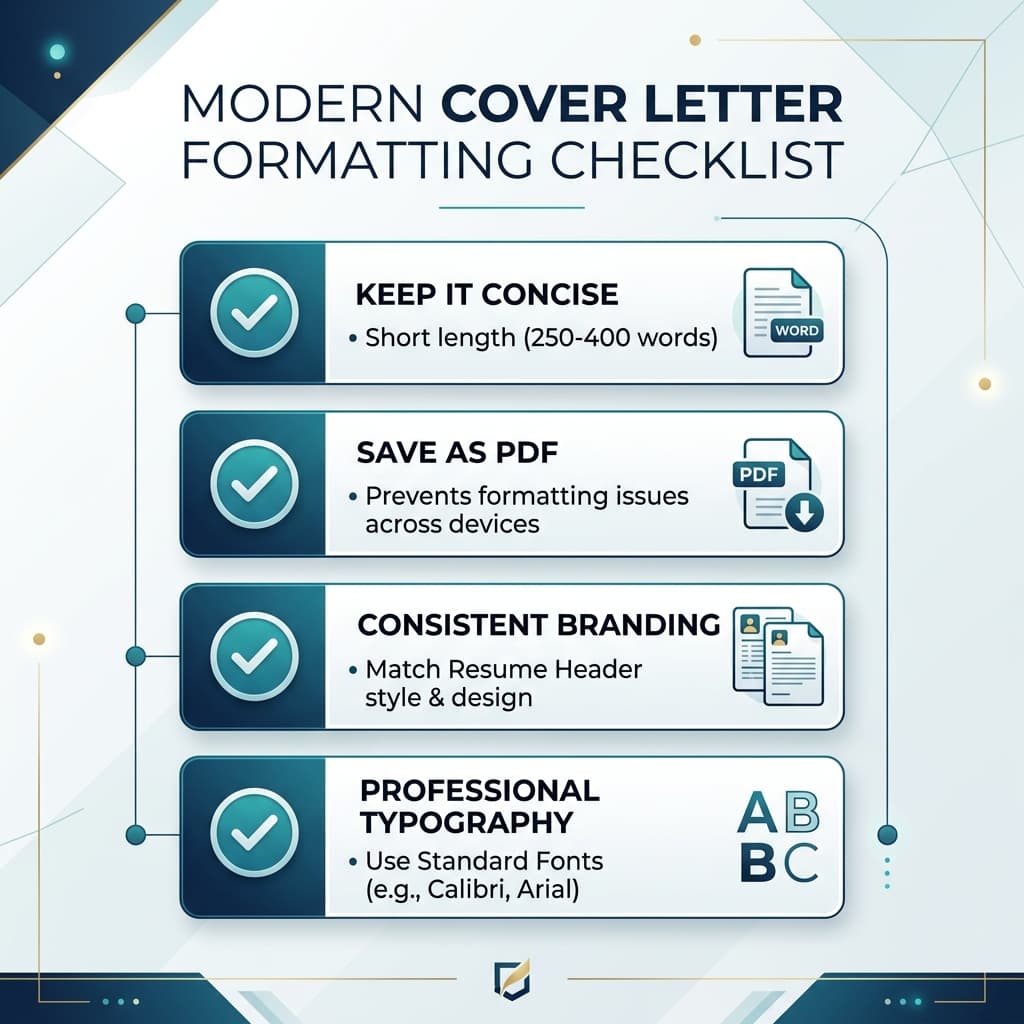
formatting tips for 2026
- Keep it short: 250-400 words max.
- Use standard fonts: Arial, Calibri, or Helvetica.
- Match your resume: Use the same header style as your resume for a cohesive look.
- Save as PDF: Unless specifically asked for Word.
Frequently Asked Questions
Should I address it "To Whom It May Concern"?
Try to avoid it. It feels impersonal. Try to find the hiring manager's name on LinkedIn. If you absolutely can't find it, use "Dear Hiring Team" or "Dear [Department Name] Manager."
Do I need a cover letter if I apply via LinkedIn Easy Apply?
If there's an option to upload one, do it. It sets you apart from the hundreds of applicants who just clicked the button without adding any extra effort.
Check your resume's ATS score — free
Upload your resume + paste any job description. Get your score in 60 seconds.
Analyze My Resume →More articles
Interview Tips
AI Mock Interview Practice: Rehearse Online for Free in 2026
Career Advice
How to Land a Remote Job: Resume and Application Strategy (2026)
Career Advice
Follow-Up Emails That Work: After Applications and Interviews (Templates)
Interview Tips
Interview Preparation: The Complete Guide for Your Next Job Interview