How to write a resume that gets interviews
The format to pick, what goes in each section, and the India-specific answers — resume vs biodata, fresher formats — that generic guides skip. Everything here feeds a resume the ATS can parse and a recruiter wants to read.
Choose your resume format
Three formats exist; for most people the choice is already made. What matters is knowing which one you are and committing.
Chronological
The default — use this unless you have a reason not to
Work experience listed newest-first, each role with dated accomplishments. Recruiters expect it, and every ATS parses it reliably. If you have a continuous work history in one field, stop deliberating: this is your format.
Best for: Working professionals with a steady history in one direction
Functional (skills-based)
Use with caution
Skills grouped by theme up top, work history compressed below. It exists to de-emphasise gaps or unrelated jobs — and recruiters know that, which is why many treat it with suspicion. ATS parsing also suffers when accomplishments are detached from dated roles.
Best for: Rarely the right call — a combination format usually serves the same goal better
Combination (hybrid)
Best for career changers and freshers
A skills or projects section leads, followed by a proper chronological history. Freshers lead with projects and internships; career changers lead with transferable skills — and the dated history underneath keeps both recruiters and ATS software satisfied.
Best for: Freshers, career changers, and anyone whose strongest material isn’t their latest job title
Every format works best on an ATS-safe layout — browse ATS-friendly resume templates or see the formats applied in real resume examples by job title.
Want the full section order with free Word downloads? The resume format guide covers it, with dedicated pages for the fresher resume format and the biodata format — each with a free .docx file, no signup.
What goes in a resume, section by section
Header
Name, phone, email, city, LinkedIn. In the document body — never in the Word header/footer, which many ATS parsers skip entirely. No photo for corporate India and international applications; photos invite bias screening and add parsing risk.
Professional summary
2–3 lines: who you are, your strongest proof point, and what you’re aiming at. Written for the specific job, not copied between applications. Skip the objective statement — summaries lead with what you offer, objectives with what you want.
Work experience
Newest first. Each role: title, company, dates in a consistent format, then 3–5 bullets that start with an action verb and end with a number where one exists. “Reduced onboarding time 40%” outranks “Responsible for onboarding” in every reader, human or machine.
Skills
A scannable list of the hard skills the job description actually names — tools, languages, certifications. This section does the heaviest ATS keyword work, so mirror the job posting’s vocabulary exactly.
Education
Degree, institution, year. For freshers this moves up and carries CGPA and relevant coursework; after your first two jobs it shrinks to one line each.
Projects & extras
Projects (essential for freshers and developers), certifications, languages, volunteering. Include what supports the target job; cut what doesn’t. Every line is competing for the six seconds a recruiter gives the first read.
Resume vs CV vs biodata
In India the three words get used interchangeably, and the confusion produces real rejections — usually a biodata sent where a resume was expected.
A resume is a 1–2 page pitch tailored to one job: accomplishments, skills, numbers. A CV is the long-form academic record — publications, research, conference talks — expected in academia and some international markets (in the UK and Europe, “CV” simply means what India calls a resume). Biodata is the legacy format opening with date of birth, marital status and family details — appropriate for matrimonial and some government contexts, and actively harmful in private-sector hiring, where those details invite bias and add zero signal.
The practical rule: private-sector job in India or abroad → resume. Academic or research position → CV. And keep personal details beyond name, contact and city off it entirely.
Writing a fresher resume with no experience
The blank-experience panic is a framing error. “Experience” is anything you did that produced a result someone else can verify — the label on the section is negotiable.
- Projects: treat them like jobs — name, dates, stack, and a measurable outcome ("built an expense tracker used by 40 students", not "made an app")
- Internships and training: dated bullets with what you actually shipped or learned, however short
- Certifications and coursework: only the ones the target job names — they are keyword coverage, not wallpaper
- Leadership and volunteering: fest organising, club roles, NSS — quantified ("managed a 12-person team, ₹2L budget")
Keep it to one page, lead with your strongest section, and remember that campus placement portals run the same ATS software as companies — parseability rules apply from your very first application.
Start from an ATS-safe template
View all 27 templates →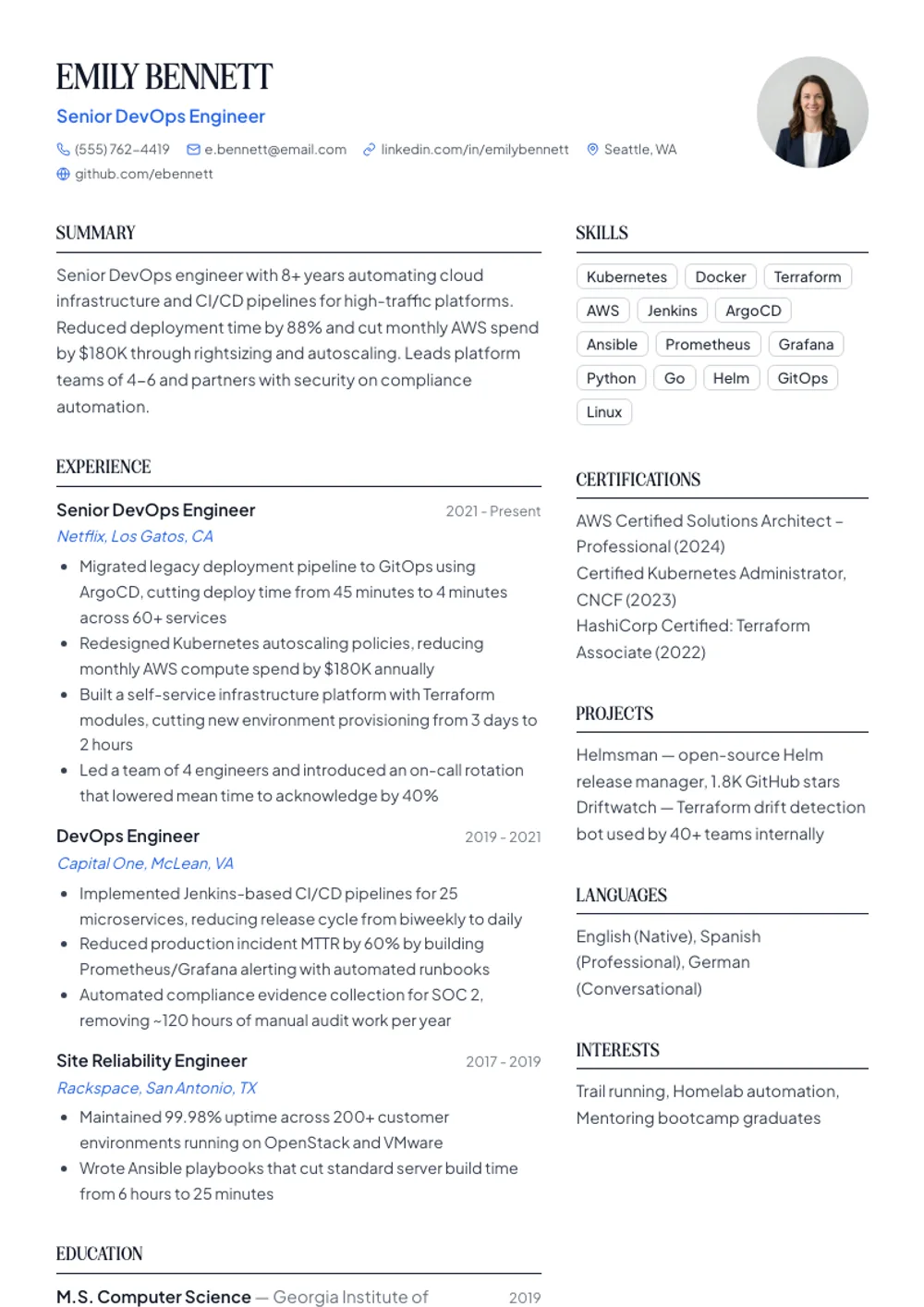
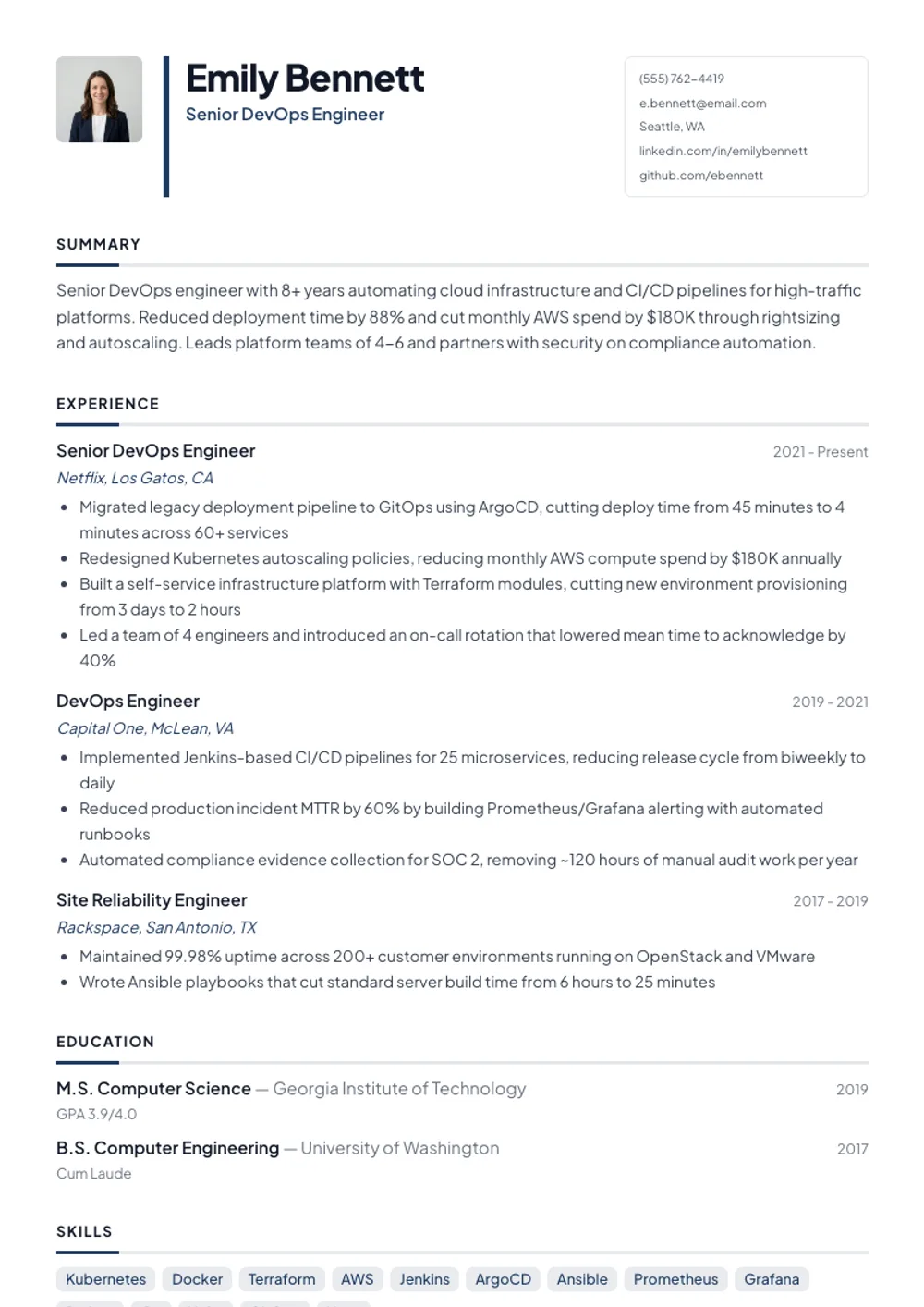
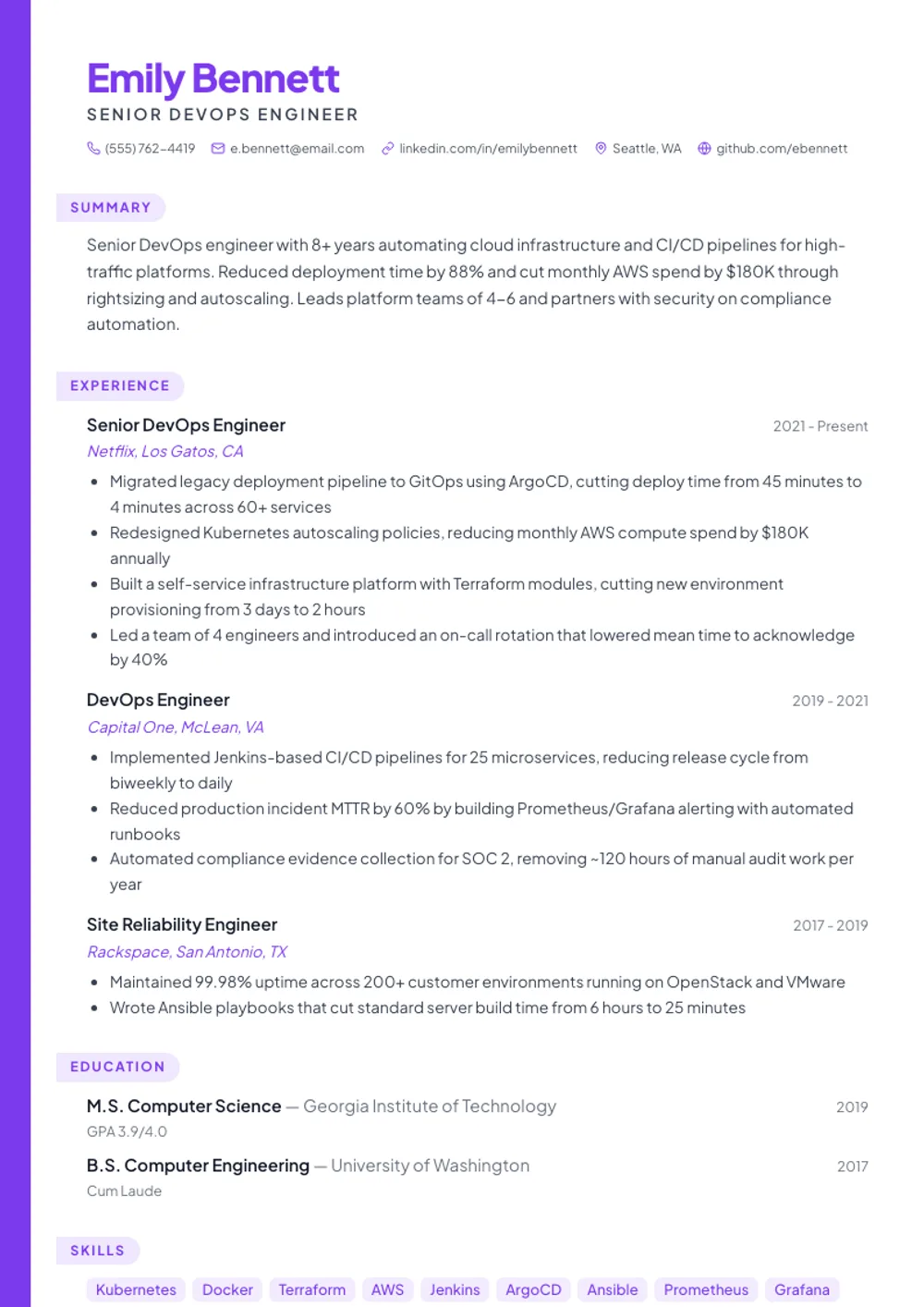
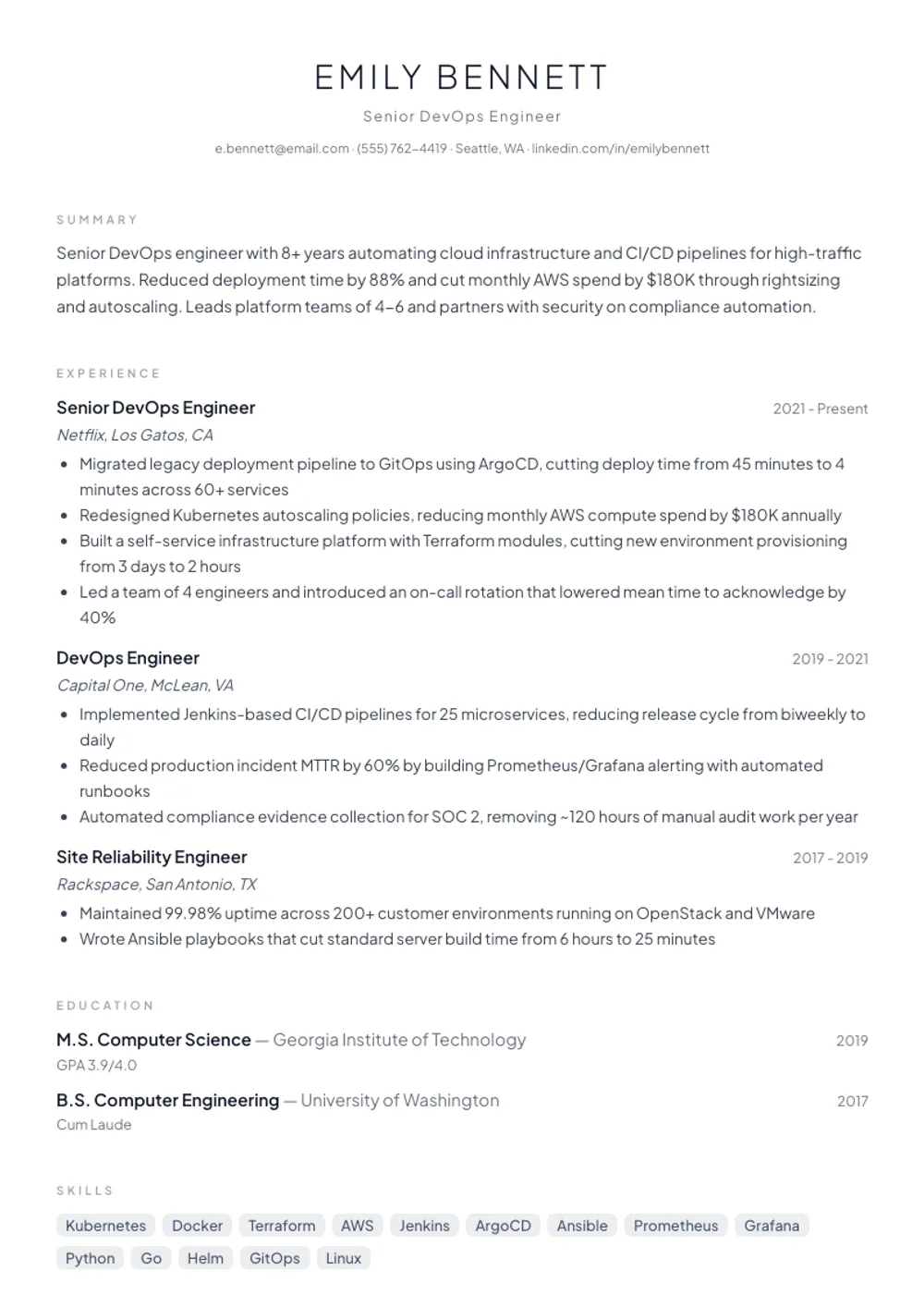
See it done for your job title
155+ resume examples with the summary, bullets and keywords each role actually screens for.
Then test it before a recruiter does
Write with the guide, build on a clean template, and score the result against the actual job description — the free ATS resume checker shows your match score and missing keywords in about a minute. Prefer AI to do the heavy lifting? The AI resume builder parses, scores and rebuilds your resume in one flow.
Build your resume free